English| USD
Suggested for you
More currencies
Choose a language
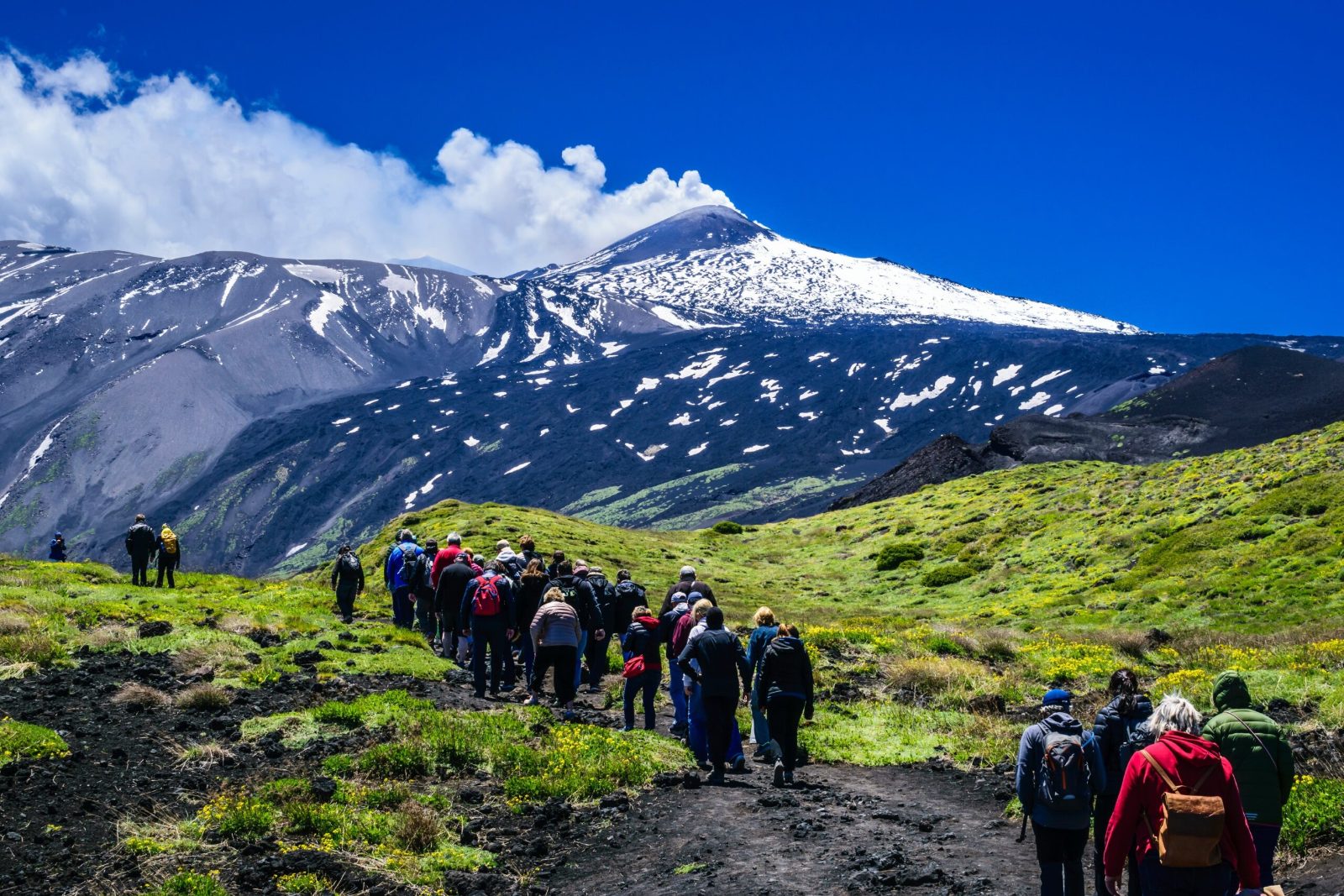
Mount Etna's elevation zones create microclimates that demand layered preparation. Tours ascend through Mediterranean scrubland at 1,000 meters to barren volcanic terrain above 2,900 meters, where conditions shift from warm sunshine to alpine wind in under an hour. Your clothing strategy determines comfort and safety across these transitions.
Quick answer
Wear three layers for Mount Etna tours: moisture-wicking base layer, insulating mid-layer (fleece or light down), and windproof outer shell. Closed-toe hiking boots with ankle support are mandatory on lava terrain. Temperature drops approximately 6°C per 1,000 meters of elevation gain, so summit zones average 10-15°C cooler than Catania even in summer. Bring sun protection regardless of cloud cover—volcanic ash reflects UV radiation.
The summit craters of Mount Etna sit 3,357 meters above sea level, where morning temperatures in August can match a March day in Rome. This elevation reality surprises first-time visitors who arrive in shorts after a coastal breakfast in Taormina. The volcano's flanks span five climate zones, each requiring different thermal management. Etna tour what to wear depends entirely on your itinerary's maximum elevation. Cable car routes to 2,500 meters encounter strong winds year-round—gusts above 40 km/h are common at the Torre del Filosofo station even on clear days. Lava fields absorb and radiate heat during midday but offer no shade, while the same terrain becomes a heat sink by late afternoon. Guides recommend synthetic or merino wool base layers over cotton, which retains moisture and loses insulating capacity when damp from exertion or sudden weather shifts. Footwear determines mobility on scoria slopes and solidified lava flows with sharp, uneven surfaces. Athletic shoes lack the ankle support and sole rigidity needed for stable footing on volcanic gravel. Tour operators may refuse participation to guests in inappropriate footwear due to liability exposure on unstable terrain. The national park base areas around Rifugio Sapienza maintain mild conditions year-round, but any ascent beyond the parking zone enters alpine territory where layering becomes non-negotiable. What to wear on Mount Etna volcano tours also accounts for sun exposure at altitude—UV intensity increases 10-12% per 1,000 meters. Sunglasses, high-SPF sunscreen, and wide-brimmed hats provide essential protection even when clouds obscure direct sunlight. Winter ascents above 2,800 meters require insulated gloves and thermal headwear; summit zones experience sub-zero temperatures from November through April. Guided excursions to active craters add particulate exposure—bandanas or neck gaiters prevent ash inhalation during venting episodes.
“Temperature drops approximately 6°C per 1,000 meters of elevation gain, creating alpine conditions at summit zones even in midsummer.”
Mount Etna's summit zones reach 3,300 m with temperature swings of 20°C from base to crater, demanding layered clothing and terrain-ready footwear.
Mount Etna's volcanic terrain and high-altitude conditions demand specific safety-focused clothing. Tour operators enforce footwear and protection standards to prevent injuries on lava rock and exposure-related incidents.
The best arrival window is 08:30–09:30 to avoid mid-morning crowds and afternoon heat at higher elevations. Planning your visit around these hours ensures a more manageable experience.
Hot, dry, intense sun, 25-30°C
Light, breathable layers are necessary to manage heat. Bring sun protection and extra water.
Cold, snow-covered, often below 0°C
Thermal base layers, waterproof jackets, and sturdy boots are mandatory. Conditions change rapidly at high altitudes.
Mild, variable, 10-20°C
Dress in versatile layers to adjust for fluctuating temperatures. Windproof shells are recommended for crater hikes.
—
Early arrivals provide the most stable conditions before temperature increases and daily wind patterns shift.
Verdict: For the most stable weather and fewer crowds, aim for weekday mornings during April or October.
Mount Etna is open daily to visitors. Planning your arrival within these operating hours helps you determine the appropriate time of day for your excursion.
Access to the Mount Etna national park base areas is provided without a direct entrance fee. Your budget should be allocated toward the necessary technical gear and specialized transport required for higher elevations.
Verdict: The national park base areas cost 0 EUR to enter, with final costs depending on your choice of guided tours or mountain transport services.
Everything you need to know about mount etna tour what to wear
For a successful excursion, prioritize layered clothing regardless of the season. A windbreaker, comfortable long trousers, and a light fleece are recommended as temperatures drop significantly at higher altitudes.
Yes, temperatures at the summit are much lower than at the base. Even during summer, you may encounter wind and cooler air, making layered clothing essential for your comfort.
Sturdy, closed-toe hiking boots or high-traction sneakers are necessary for navigating the volcanic ash and rocky terrain. Avoid open sandals or thin footwear, as the loose scoria can be sharp and unstable.
Yes, layering is the most effective strategy for managing temperature fluctuations throughout the day. You can easily remove or add items as you move between the base and the volcanic summit zones.
Regardless of the mode of transport, you should always wear comfortable, breathable activewear. While jeep tours may involve less physical exertion, you will still walk on uneven volcanic ground during stops.
The sun is extremely intense at high altitudes, especially when reflected off the volcanic landscape. Wear sunscreen, sunglasses, and a hat to protect yourself from strong UV exposure.
The dry, high-altitude environment increases hydration needs significantly. Carry a reusable water bottle to ensure you remain hydrated during your time exploring the national park.
The most common error is underestimating the temperature difference between the coast and the mountain. Always check the weather forecast for the summit specifically rather than Catania when deciding on your outfit.
Mount Etna Tours from Palermo
Read more Tickets & toursMount Etna Trekking Tours Explained
Read more GuideMount Etna Tour Prices
Read more Tickets & toursMount Etna Tours from Taormina
Read more Tickets & toursMount Etna Tours from Catania
Read more Tickets & toursMount Etna Private Tours
Read more